
 By SN24.com
By Peter Akpah.
Jos, Plateau State – Governor Caleb Manasseh Mutfwang on Tuesday convened a historic gathering at Victoria Gowon Hall, New Government House, Little Rayfield, where he met with newly absorbed staff of the state’s tertiary institutions. The event, attended by senior government officials, institutional heads, and workers who have endured years of precarious employment, underscored the administration’s commitment to revitalising the education sector.
Governor Mutfwang recounted that the state had previously suspended the recruitment drive for tertiary institutions after discovering that many ad‑hoc employees—some serving for over twenty‑two years—were omitted from permanent appointments. Describing the situation as “unjust,” he explained that the suspension was necessary to address complaints, rectify irregularities, and ensure a transparent process. With governing councils now fully constituted, eligibility criteria were reviewed and a dedicated help desk was established to resolve lingering grievances.
He announced the approval of compensation funds to acknowledge the sacrifices of workers who had endured monthly wages as low as ₦6,000. The governor reaffirmed his administration’s pledge to provide decent remuneration and to recruit qualified personnel to raise the standard of education across Plateau State. In addition, he highlighted notable sectoral achievements, including a rise in student admissions and the sanctioning of 19 new degree programmes.
Governor Mutfwang urged the newly absorbed employees to pursue further academic qualifications, assuring them of government support and incentives. He called on them to uphold dedication, punctuality, and professionalism, emphasizing that their contributions would be pivotal in advancing the state’s tertiary institutions. The governor concluded by expressing confidence that the restored workforce would propel Plateau’s educational landscape to new heights.
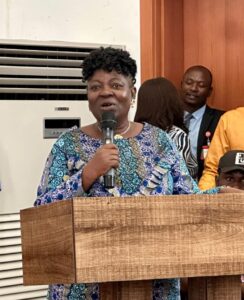
Commissioner for Education, Kachollom Pyam Gang, thanked Governor Mutfwang for convening the meeting and for his insistence that qualified ad‑hoc and casual staff be included in the recruitment exercise. She lauded the governor as a compassionate, fatherly leader whose decisions reflect genuine concern for workers’ welfare, and she affirmed that the gathering aimed to deepen commitment and motivate staff toward improved performance.
Special Adviser on Labour Activities, Titus Alams, also commended the governor for restoring hope to long‑suffering workers. He acknowledged the roles of the Secretary to the State Government, the Chief of Staff, and institutional heads in ensuring the success of the absorption process, and urged the newly integrated staff to justify the government’s confidence through diligence, punctuality, and support for the administration’s vision.
Representing the youth, Hitler Pwajok praised Governor Mutfwang as a leader who prioritises fairness and youth empowerment. He noted that the governor’s decision had brought renewed stability and economic opportunity to many young families, and he called on beneficiaries to uphold integrity and productivity while praying for God’s blessings upon the governor.
Josea Sati, chairman of the staff delegation, described the occasion as the happiest day of their lives after 22 years of hardship, broken homes, children out of school and holidays spent in tears, crediting Governor Caleb Manasseh Mutfwang as the first leader to hear their pleas and restore their dignity; he pledged the workers’ unwavering loyalty and prayed for the governor’s continued upliftment. A second speaker echoed this sentiment, thanking the governor for ending years of neglect, endorsing him for a second term, and expressing hope that he may one day become Nigeria’s president, while offering gratitude, prayers and a commitment to support him.