 By SN24.com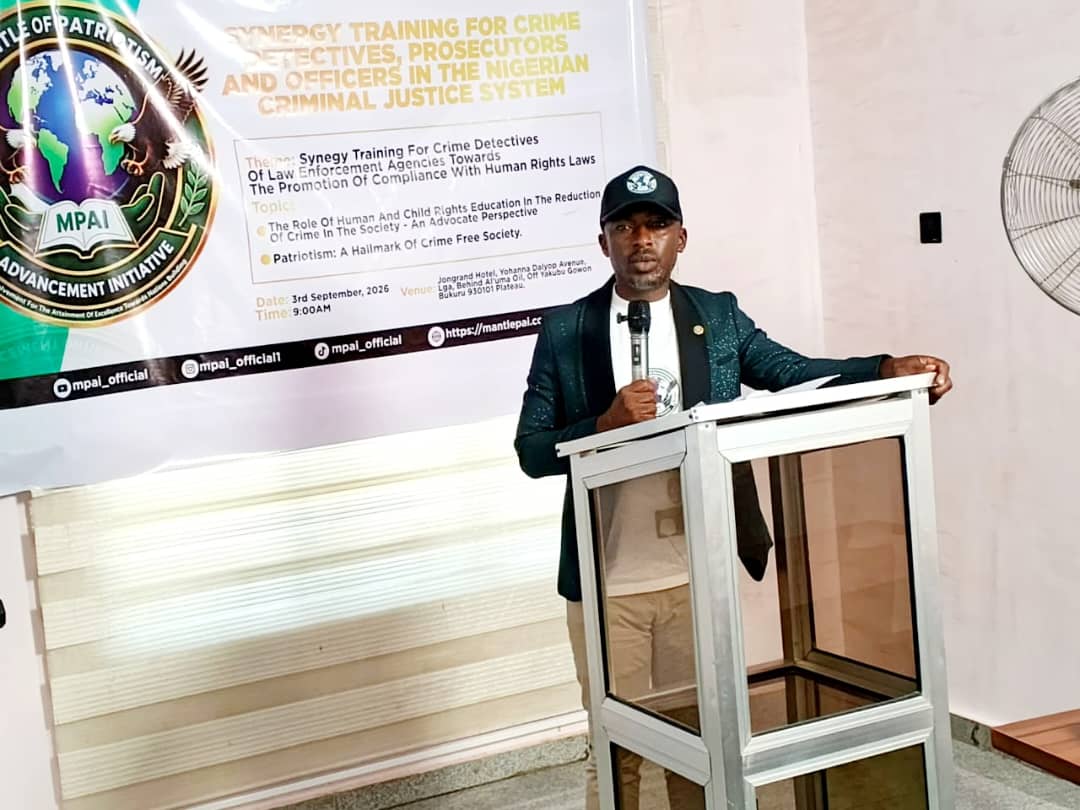
By Peter Akpah.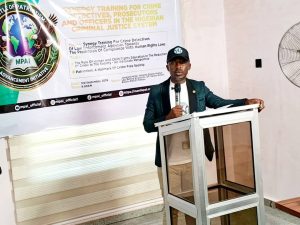
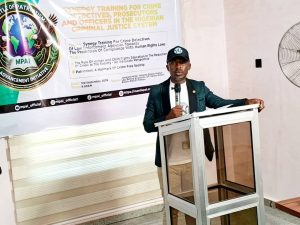
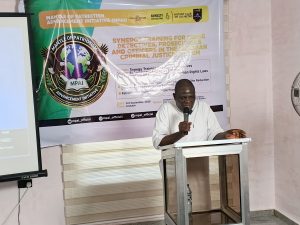
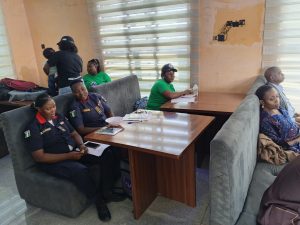
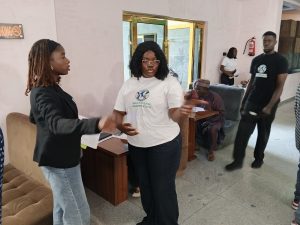
The Mantle of Patriotism Advancement Initiative, MPAI, in collaboration with Amnesty International and the Rotary Club of Jos Metro, has organized a Synergy Training for Prosecution and Crime Detectives of Law Enforcement Agencies to promote compliance with human rights and child rights laws in Nigeria.
The training, held in Jos with media support from Yahweh 24 TV Media, was themed: “Synergy Training For Crime Detectives Of The Law Enforcement Agencies Towards The Promotion Of Compliance With Human Rights Laws.”
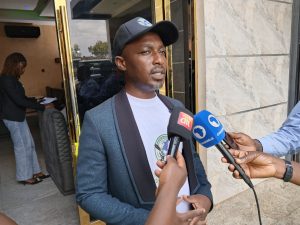
*”Building a Just and Patriotic Nation” – MPAI Founder*
Speaking at the event, *Gabriel Adama Akuta, Esq.*, Founder, Coordinator and Executive Director of MPAI and a legal practitioner, said the initiative was designed to build capacity among officers saddled with the responsibility of protecting human rights.
“Our vision at Mantle of Patriotism Advancement Initiative, MPAI 2026, is to attain a peaceful, just and prosperous society where citizens and institutions actively contribute to the deepest respect for human and child rights, as well as imbibe patriotism for credible leadership and national development,”_ Akuta stated.
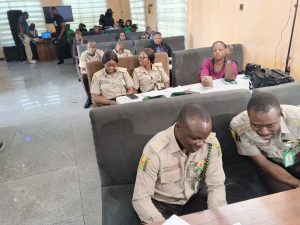
He explained that the training brought together detectives, prosecutors and welfare officers across the criminal justice chain.
“The criminal justice system is made up of law enforcement agents, the courts and correctional centers. These are the people who daily intervene on issues of human and child rights. That is why they are very relevant to this process,” he said.
According to him, the goal is to “improve efficiency and productivity” in the discharge of duties, with quarterly follow-ups to assess implementation. He added that the program will be sustained and rotated across states, with the next phase targeting youths on patriotism, leadership and followership.
“When all of us are patriotic, we will find out that our duties will be discharged patriotically and the interest of the motherland will come to bear,” he noted.
Akuta identified funding as the major challenge facing the organization, but said the group remains committed through pro bono legal services, advocacy, and sensitization programs.
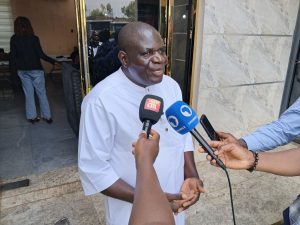
*“Best Interest of the Child Must Be Protected” – Don*
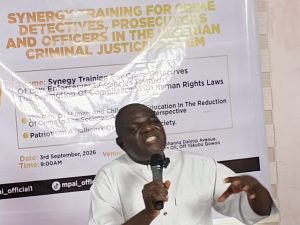
Delivering a paper titled “The Role of Human and Child Rights Education in the Reduction of Crime in the Society: An Advocate’s Perspective,”. Dr. Mathias Zechariah of the University of Tasmania, Nigeria, stressed the need to protect children who are either victims or in conflict with the law.
“The child is a special person. Whether the child is a survivor of abuse or a delinquent, the best interest of the child is of paramount importance at the family level, correctional facility level or in judicial proceedings,” he said.
Dr. Zechariah warned that subjecting children to trauma leads to mental disorders and delinquency. He urged families, police, correctional officers, and the media to ensure children are treated with dignity and that perpetrators of crimes against children are brought to justice for closure.
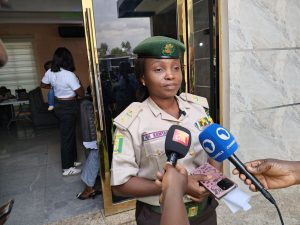
*”No Children in Conventional Correctional Facilities” – Correctional Service*
In an interview, Chief Superintendent Nanshin Nancy Kumtap, Legal Officer in charge of the Nigerian Correctional Service, Plateau State Command, clarified that children below 18 years are not kept in conventional correctional centers.
“The Correctional Service Act prohibits it in totality. It is not international best practice. We have Borstal institutions in Kaduna, Ibadan and Ilorin under the management of the Nigerian Correctional Service. In Plateau, juvenile homes are managed by the State Ministry of Women Affairs,” she explained.
She said the Correctional Service is part of the implementation committee for the Child Rights Law in Plateau, whose primary responsibility is to ensure _“the best interest of the child is protected and that incarceration is used as the last option for a child in conflict with the law.”
She added that the statistics suggesting 30% of detainees are children likely referred to Borstal institutions and not conventional correctional facilities.
The training ended with a call for stronger collaboration among law enforcement, civil society, and the media to ensure rights-based policing and justice delivery in Plateau and beyond.