
 By SN24.com
By Peter Akpah.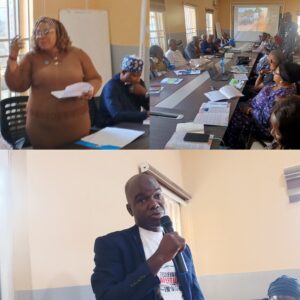
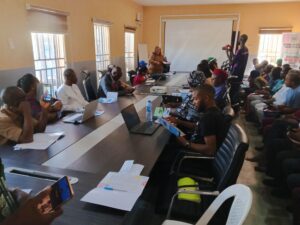
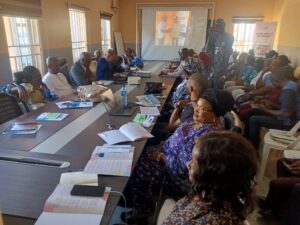
A one-day stakeholders’ engagement on the nexus between infertility and peacebuilding has highlighted the need for a comprehensive approach to address the issue of infertility in Nigeria.
The event, organized by Mulapnen Capacity Building Initiative (MuCaBI), brought together experts, policymakers, and stakeholders to discuss the intersection of infertility and peacebuilding.
Speakers at the event emphasized the need to address the stigma surrounding infertility, promote awareness, and provide support for individuals and couples affected.
Nicodemus Samson Beska executive director of mulapnen capacity building initiative MuCaBI highlighted the silent crisis of infertility in Nigeria, emphasizing its impact on individuals, families, and communities. He presented a paper titled “The Silent Crisis: Unpacking the Intersection of Infertility and Peacebuilding,” which argued that infertility is a neglected yet highly stigmatized reproductive health issue in Nigeria.
Professor Racheal Amupitan lecturer University of Jos Center for Conflict Management and Peace Studies. emphasized the need for awareness and legislation to protect individuals affected by infertility. She advocated for a comprehensive approach to address infertility, including education, counseling, and support services.
“When you talk of infertility, people look at it as, oh, no, this is just purely a medical problem. They didn’t look at it to be any other, not associated with any other factor. But if you look at it holistically, infertility is not just a medical issue, but it’s also emotional and it’s also cultural. It’s also a legal challenge.”
Professor Racheal Y Amupitan the chairperson of SPSP, Plateau State branch represented Nathaniel Msen Awuapila the president, society for peace Studies and practice SPSP presented the keynote speech of Nathaniel Msen Awuapila as he emphasizes the need for the peacebuilding community in Nigeria to address infertility as a critical issue affecting peace, gender equity, and community resilience. Infertility exacerbates trauma, social exclusion, and instability, particularly in conflict-affected regions. The speech urges the Society for Peace Studies and Practice (SPSP) to take leadership in addressing this issue, highlighting examples from Liberia and Northeast Nigeria.
Key Points of the presentation highlighted some critical areas such as:
– Infertility is a critical but overlooked issue in peacebuilding efforts
– It exacerbates emotional trauma, social exclusion, and domestic instability
– Peacebuilding efforts in Liberia and Northeast Nigeria can serve as examples
– SPSP is urged to take leadership in addressing infertility issues.
Professor Abraham Gogo general overseer, greater city international, presented his keynote address. called for a compassionate and inclusive approach to address infertility, promoting resilience and peace. He emphasized the importance of addressing infertility as a public health issue, promoting peacebuilding and social cohesion.
“Infertility is not merely a medical condition – it is a social, emotional, and economic challenge that affects individuals, families, and communities in profound ways.”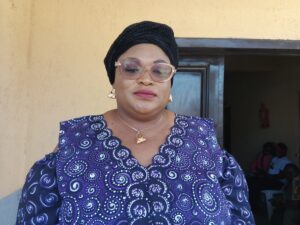
Bridget Dakyes, Executive Director,
Women and Girl-Child Rescue and Development Initiative (WGRDI) The State Coordinator for the Women, Peace and Security Network, said the issue of infertility can lead to violence, particularly against women, in many African cultures where there is a strong societal expectation to have children. The Women, Peace and Security Network has encountered cases where couples experiencing infertility face pressure and violence, often directed at the woman, due to these cultural expectations. This highlights the need to address infertility as a factor in gender-based violence and work towards creating a more supportive environment for affected individuals. The organization’s work in peace building and development aims to tackle such issues and promote women’s rights and well-being.
Women and Girl-Child Rescue and Development Initiative (WGRDI) The State Coordinator for the Women, Peace and Security Network, said the issue of infertility can lead to violence, particularly against women, in many African cultures where there is a strong societal expectation to have children. The Women, Peace and Security Network has encountered cases where couples experiencing infertility face pressure and violence, often directed at the woman, due to these cultural expectations. This highlights the need to address infertility as a factor in gender-based violence and work towards creating a more supportive environment for affected individuals. The organization’s work in peace building and development aims to tackle such issues and promote women’s rights and well-being.
She emphasized the need for understanding and support for couples affected by infertility. She highlighted the importance of addressing infertility as a development and peace issue, promoting social cohesion and stability.
“Infertility is an issue that requires understanding, empathy, and support. We need to create a society where couples can live without fear of stigma or judgment.”
Dr. Olofu’adeoye highlighted the importance of addressing infertility as a public health issue, promoting peacebuilding and social cohesion. She emphasized the need for legislation to protect individuals affected by infertility.
“Infertility is a social problem that leads to conflict and social instability. We need to address it as a public health issue and provide support services for individuals and couples affected.”
Kenneth Okoineme emphasized the need for research and advocacy to address infertility, promoting evidence-based solutions. He highlighted the importance of addressing poverty and inequality in addressing infertility.
“Poverty is a consequence of the way in which fertility has been treated. We need to address infertility as a public health issue and provide support services for individuals and couples affected.”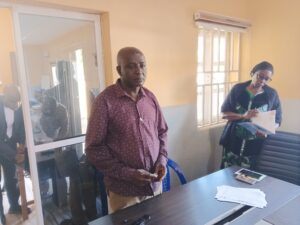
Nanyak Ladan of plateau state primary healthcare board emphasized the importance of collaboration and collective action to address infertility, promoting peace and stability in communities. He called for a comprehensive approach to address infertility, including education, counseling, and support services.
“We are all affected by infertility, either actively or passively. We need to work together to address this issue and promote peace and stability in our communities.”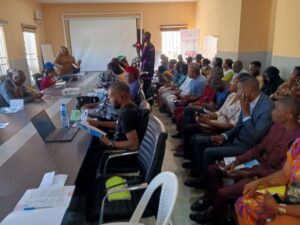
Presentation Summary of Nicodemus Samson Beska
Executive Director, Mulapnen Capacity Building Initiative (MuCaBI) : Theme “The Silent Crisis: Unpacking the Intersection of Infertility and Peacebuilding” by Nicodemus Samson Beska
Executive Director, Mulapnen Capacity Building Initiative (MuCaBI) : Theme “The Silent Crisis: Unpacking the Intersection of Infertility and Peacebuilding” by Nicodemus Samson Beska
Overview
The presentation highlights the overlooked issue of infertility in Nigeria, particularly in conflict-affected regions like northeastern Nigeria. It explores the intersection of infertility with peacebuilding and social cohesion, emphasizing the need for a more comprehensive approach to address this issue.
Key Points:
– Infertility is a highly stigmatized reproductive health issue in Nigeria, with immense pressure on women to bear children due to cultural, religious, and social expectations.
– The clinical dimensions of infertility have been the primary focus, while its intersections with peacebuilding and social cohesion remain underexplored.
– In conflict-affected regions, infertility is compounded by displacement, gender-based violence, and breakdown of support systems.
– Infertility has profound social, economic, and psychological consequences, particularly for women, including social exclusion, economic hardship, and mental distress.
– The presentation argues that infertility is no longer a private issue, but a matter of public health and peacebuilding concern.
Recommendations:
– Integrate infertility into peacebuilding and reproductive health policies
– Foster community dialogue to reduce stigma and promote support for affected individuals
– Provide accessible and affordable infertility treatment and counseling services
– Address gender-based violence and promote women’s empowerment in conflict-affected regions
Contact Information:
Nicodemus Samson Beska
Executive Director, Mulapnen Capacity Building Initiative (MuCaBI)
Email: mailto:nicobeska@gmail.com
Phone: 07067651908.
Honestly, the challenges of infertility is better imagined than said. The pain and social stigma attached cannot be easily explained. The way the society looks at you. From both families, from friends and colleagues, oh my God. The passing comments. How they often deliberately bring discussions to provoke you. The worst is when a child is corrected and the parents will tell you to go and born your own. Infertility is a very serious social problem. Those concerned die earlier in great pains and in silence. They deserve medical attention just as those living with HIV Aids.