 By SN24.com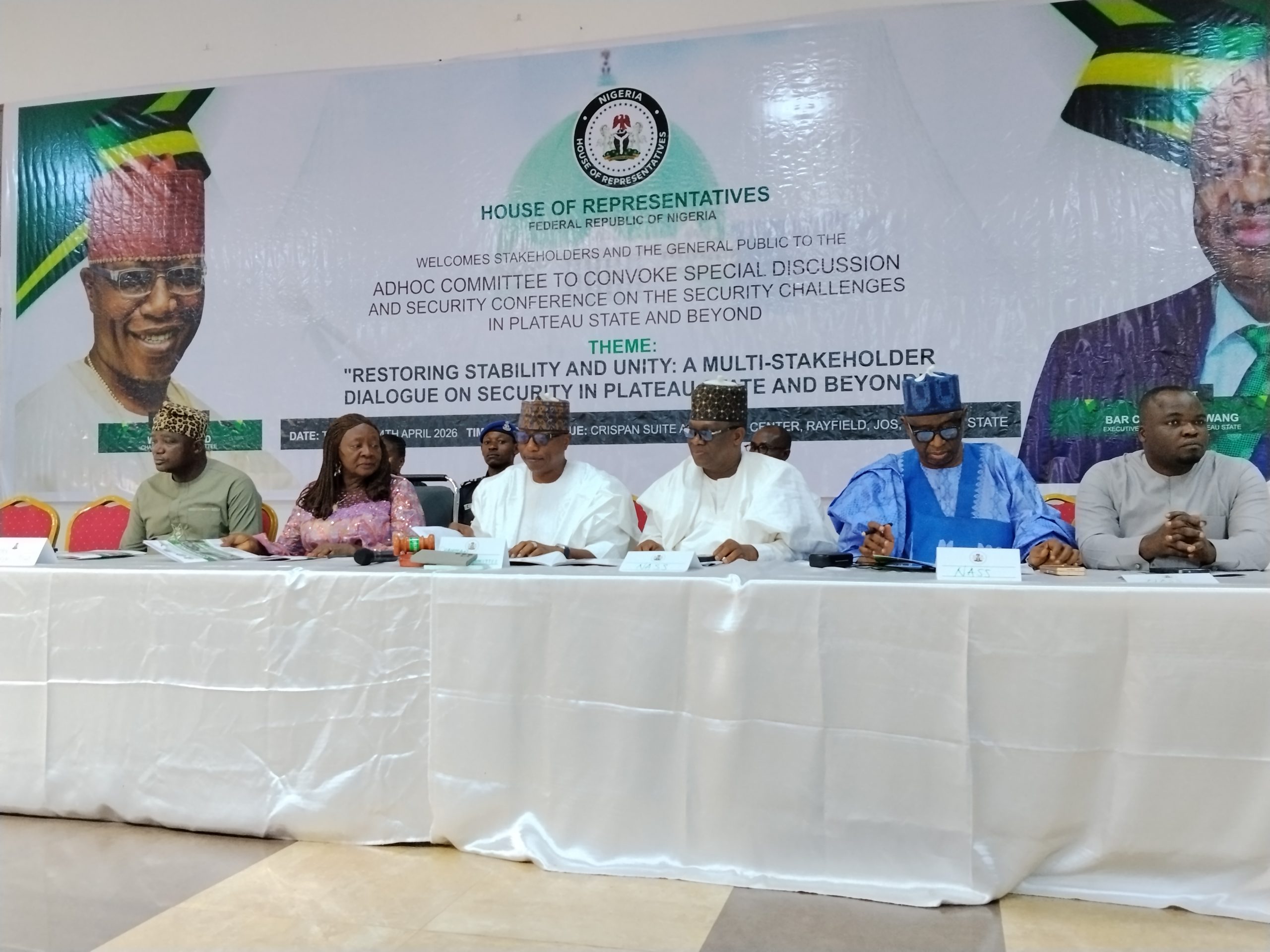
By Peter Akpah.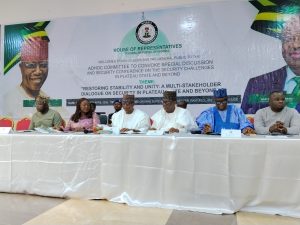
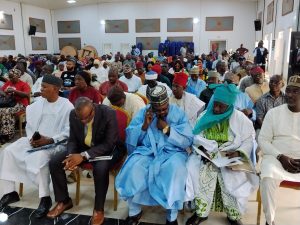
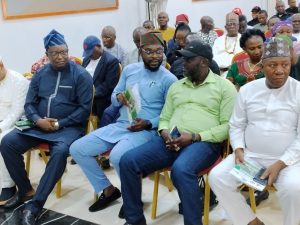
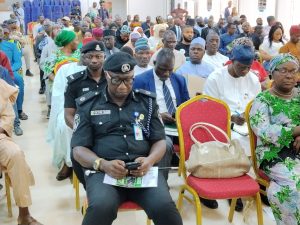
The House of Representatives Ad-Hoc Committee on Security Challenges in Plateau State and Beyond convened a one-day special dialogue and security conference on Tuesday, 14th April, 2026, at Crispan Suites and Event Centre, Jos, Plateau State. The conference, themed “Restoring Stability and Unity: A Multi-Stakeholder Dialogue on Security in Plateau State and Beyond,” drew critical stakeholders including traditional rulers, religious leaders, security agencies, peace practitioners, and civil society representatives to chart a sustainable path toward peace.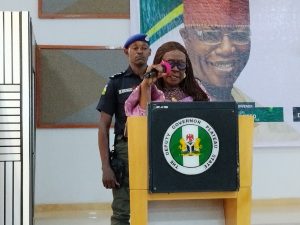
Declaring the conference open, the Executive Governor of Plateau State, His Excellency Barr. Caleb Mutfwang, described the gathering as both timely and imperative. Represented by Deputy Governor Mrs. Josephine Piyo, the governor noted that the dialogue reflected a clear recognition that Plateau’s security situation is part of a broader national concern demanding collective action, strategic thinking, and sustained engagement.
Governor Mutfwang recounted that successive administrations had grappled with recurring cycles of violent attacks, despite concerted efforts by former governors including Senator Joshua Dariye, Senator Jonah Jang, and Senator Simon Lalong. He said his administration placed security of lives and property at the forefront of its priorities, revamping Operation Rainbow, recruiting personnel across the state, and establishing the Plateau Activity Centre equipped with drone surveillance to support coordinated operations.
The governor disclosed that over 300 operational vehicles belonging to security agencies had been refurbished, while motorcycles were procured to improve rapid response in rural and hard-to-reach communities. He added that the administration reconstituted the Plateau State Inter-Faith Advisory Council to foster trust and promote understanding among diverse groups, noting that these coordinated strategies had yielded relative peace until recent setbacks.
He stressed that security goes beyond deployment of personnel and encompasses justice, inclusion, economic opportunity, and assurance that every citizen has a stake in peace. According to him, the state is investing in peacebuilding initiatives that promote dialogue, reconciliation, and community ownership of security processes, while also addressing socio-economic drivers such as youth unemployment, rural vulnerability, and misinformation.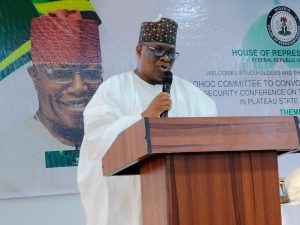
Speaking on behalf of the Speaker of the House of Representatives, Rt. Hon. Abbas Tajudeen, Hon. John Dafa’an, representing Mikang/Qua’an Pan/Shendam Federal Constituency, said the conference was a national imperative born out of the House’s resolve to confront persistent security challenges with honesty and courage. He cited documented evidence showing thousands killed between 2001 and 2018 in Barkin Ladi, Riyom, and Jos South, and over 200 lives lost in the December 2023 Christmas Eve attacks across 17 communities.
Hon. Dafa’an outlined key pathways for restoring stability, including institutionalizing inclusive peacebuilding platforms, strengthening intelligence and early warning systems with technology and community networks, reforming land governance, and enhancing community policing. He reiterated the National Assembly’s support for President Bola Tinubu’s determination to establish state police, and urged the state to empower responsible vigilante groups and traditional institutions within the ambit of the law.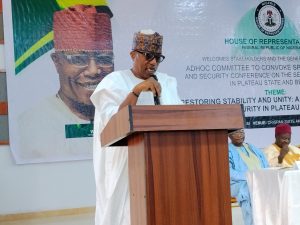
Chairman of the House Ad-Hoc Committee, Hon. (Dr.) Wale Hammed, in his welcome remarks, said the committee was born out of necessity after the 10th House of Representatives heard the cry of Plateau and resolved that all hands must be on deck to restore peace. He noted that President Bola Ahmed Tinubu had made Plateau a personal priority, directing special security deployments and humanitarian interventions, and insisted that the cries from Plateau must be answered with action.
Hon. Hammed emphasized that peace cannot be enforced by guns alone but must be built through inclusion, describing inclusion as a strategy. He announced that the committee was ready to grant closed-door sessions to any individual or group with sensitive presentations or testimonies, assuring that their security would be protected. He commended the synergy between the Executive and Legislature, saying it had made interventions faster and security budgets prioritized.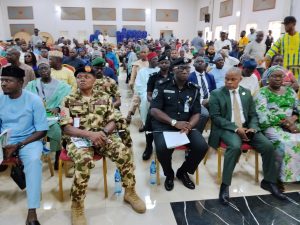
The dialogue featured robust contributions from security agencies, traditional rulers, religious leaders, civil society, academia, and the media. Stakeholders agreed that unity must be deliberately cultivated and narratives that divide must be rejected in favor of values that bind citizens together. The House committee pledged to follow through on recommendations and ensure that laws, funds, and policies translate to safety in farms, schools, and homes.
Governor Mutfwang reaffirmed his administration’s unwavering commitment to protecting lives and property, upholding the rule of law, and ensuring justice is done and seen to be done. He urged participants to resist the temptation to apportion blame and instead focus on building consensus around practical, implementable solutions, adding that sustainable peace can only emerge where there is trust, fairness, and shared commitment to the common good.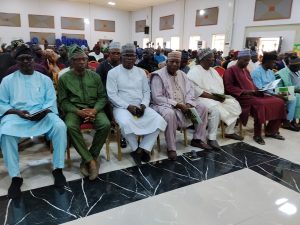
The conference concluded with a renewed call for shared responsibility, legislative action, and sustained political will to restore Plateau State to its rightful place as the Home of Peace and Tourism, and as a beacon of hope for Nigeria.