 By SN24.com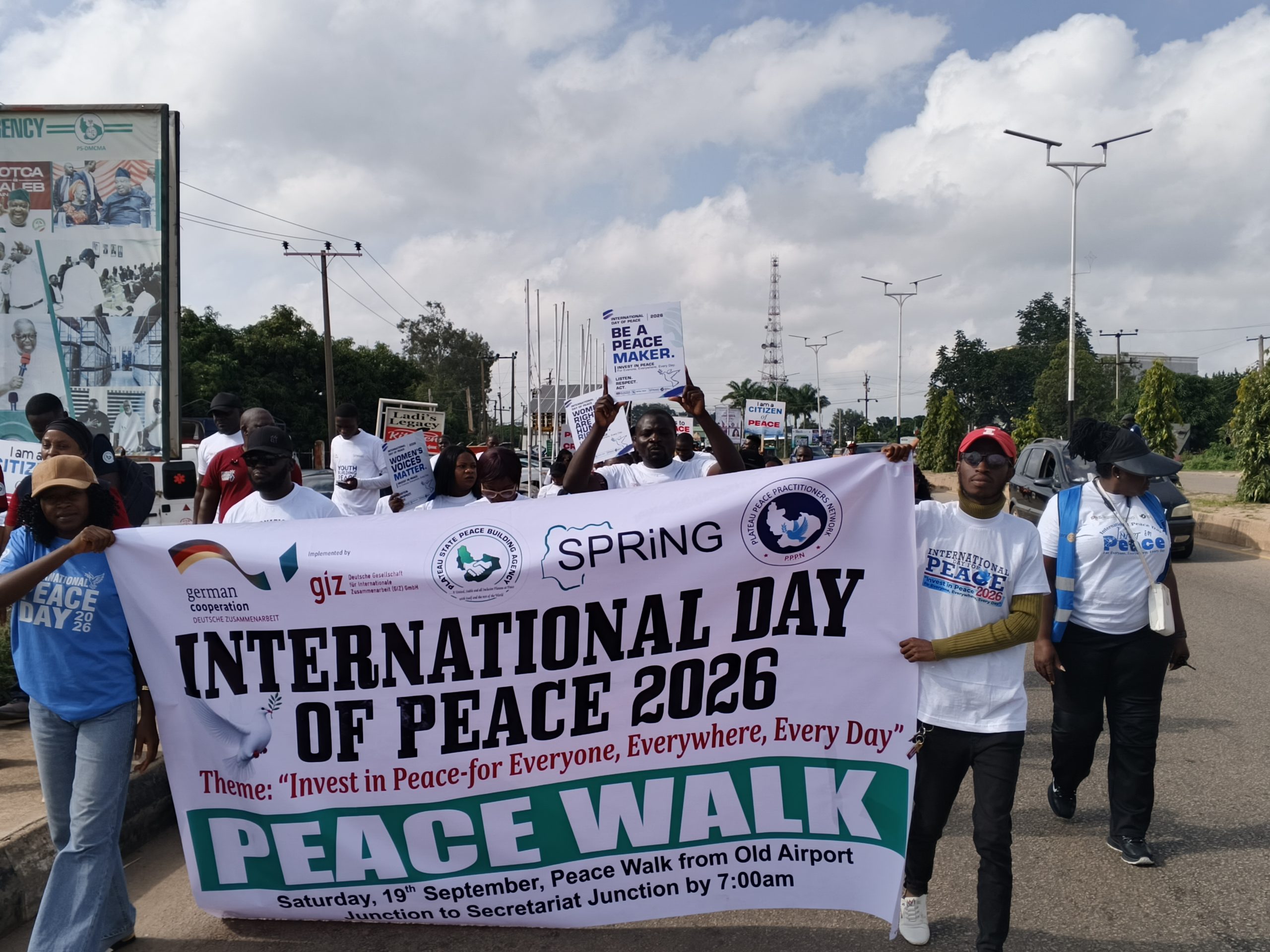
By Peter Akpah.
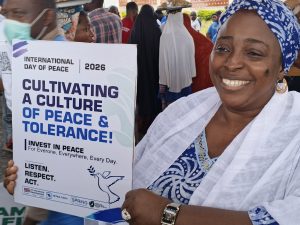
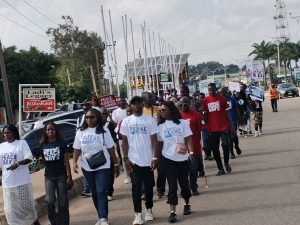
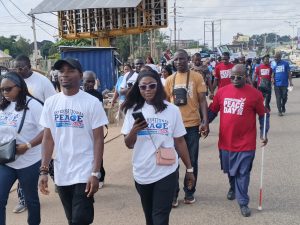
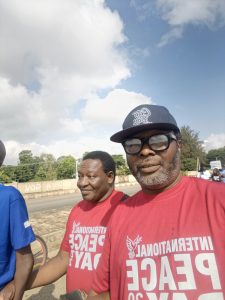
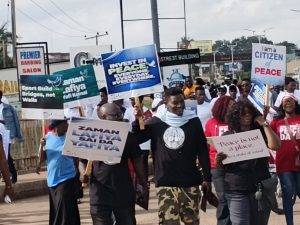
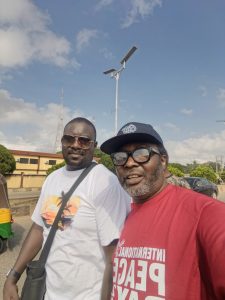
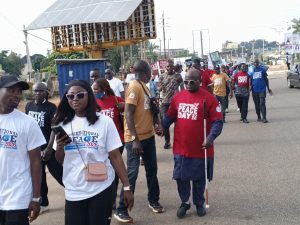
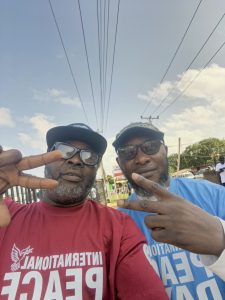
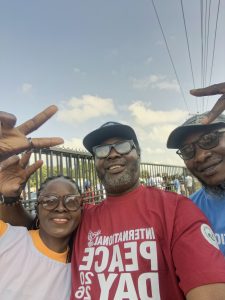
Stakeholders in Plateau State on Saturday marked the 2026 International Day of Peace with a peace walk and advocacy rally, with a call on citizens, government and private sector to invest in sustainable peace.
The event, organized in collaboration with the Plateau Peacebuilding Agency, the Plateau Peace Practitioners Network and the Women for Positive Peacebuilding Initiative (WOPPI), was held under the global theme: *”Invest in Peace for Everyone, Everywhere, Every Day.”
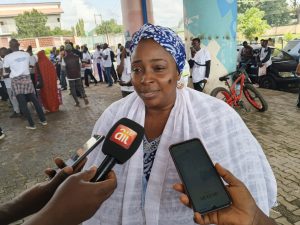
Speaking at the event, the Executive Director of Women for Positive Peacebuilding Initiative (WOPPI), Lantana Abdullahi, who is also one of the lead partners for the event, said the theme is particularly relevant for Plateau given its history of violence.
> “Based on the history of violence that we have experienced in Plateau, and we continue to experience pockets of violence – just last week we had killings in some locations – it shows that despite all the huge investments we have made in peacebuilding, we need to do more,” she said.
Abdullahi explained that investing in peace goes beyond the responsibility of government and security agencies.
“When we hear invest in peace, it doesn’t mean that only government or security agencies have a role to play. Every citizen residing in Plateau or in Nigeria must play their part. Whether by being peaceful within yourself, by seeing something and saying something, by contributing through vigilante groups or community development initiatives, everyone has a role to play in building lasting peace.”
She added that the commemoration is personal for her, having lost loved ones to violence, and called for individual and collective commitment to peace.
She also noted that despite negative media reports, Plateau remains a home of peace and tourism, and events like the International Peace Day are opportunities to show that the state is working towards sustainable peace.
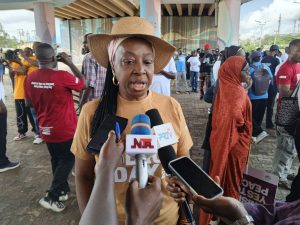
Also speaking, the Director-General of the Plateau State Peacebuilding Agency, Ms. Julie Sanda, said the state has every reason to celebrate peace despite ongoing security challenges.
“Absolutely we have the right to celebrate. Yes, there are attacks, but we must also recognize that there are many people working to avert those attacks and many people working to rebuild communities. For every attack that happens, several others were averted. We regret every loss, but we also celebrate those who are working for peace, including His Excellency, Barr. Caleb Manasseh Mutfwang who has done so much in the peacebuilding process,” she said.
On how citizens can invest in peace, Sanda explained that investment is not only financial.
“We invest in peace by putting all hands on deck. We must go back into our communities, build social inclusion, build cohesion, and dialogue. Where there are issues, we need to resolve them before they escalate. The investment is not only in shares. We need business people and private capital to invest in peace because where there is peace, there will be prosperity. But those who don’t have shares need to bring in their skills, their commitment, their passion. Every tool in the box must be put on deck. That is why the theme says everyone, everywhere, every day,” she stated.
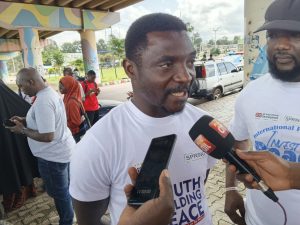
On his part, peacebuilding practitioner, Pwakim Jacob Choji of YIAVHA, described peacebuilding as a challenging and fluid task.
“As peacebuilders, we often feel that we’re not doing anything, and community people also feel we’re not doing much. While you have achieved one step forward, the next incident takes you many steps backward. But the fact that we are able to gather here today and do this walk, this is progress,” he said.
Choji noted that there were fewer security personnel visible at this year’s event compared to last year, not due to logistics, but because the vulnerability index is lower than it was.
He however called on government to balance kinetic and non-kinetic approaches to peace and security, and to increase funding for non-kinetic interventions.
“We need to see government funding non-kinetic approaches – dialogue, relationship building and social cohesion activities – beyond the procurement of drones, guns and vehicles. Government is powerful, it can address terrorism, but it cannot build relationships. Civil society is saying, what funding are you providing to ensure these dialogues happen, especially now that funding from international organizations is dwindling,” he said.